Water is creeping up your basement floor. Your ceiling is sagging. Your floors are warping. And you have no idea what to do next.
If you live in Topeka, Kansas, this scenario is not rare. It happens to thousands of homeowners every year. The clay-heavy soil around Topeka holds water like a sponge. Heavy Midwest storms dump rain faster than the ground can absorb it. Sump pumps fail. Pipes burst in winter. And when water gets into your home, every single hour of delay makes the damage worse and the repair bill bigger.
You might be wondering: Will my insurance cover this? How long will the cleanup take? Can I fix this myself? What if mold is already growing behind my walls?
These are real fears. And they are valid.
This guide answers all of them. It walks you through exactly how professional water damage restoration works in Topeka, KS, step by step, so you know what to expect, how to act fast, and how to protect your home and your wallet.
TL;DR: Water damage in Topeka, KS is a serious risk due to clay soil, heavy rains, and aging home infrastructure. Professional restoration involves 8 key steps: emergency response, damage inspection, stopping the water source, water extraction, drying, sanitization, mold remediation, and structural repair. Acting within the first few hours dramatically reduces cost and long-term damage. Always hire an IICRC-certified company and document everything for your insurance claim.
Topeka is not just another Midwest city when it comes to water damage. Several local factors combine to make flooding and water intrusion a recurring problem for homeowners here.
The soil across much of Topeka contains a high concentration of clay. Clay does not drain well. When rain falls, the water sits in the soil and builds up pressure against your basement walls and foundation floors. This is called hydrostatic pressure, and it is one of the leading causes of basement flooding in the city.
Topeka also sits near the Kansas River and experiences strong seasonal storms. Rapid rainfall overwhelms drainage systems and pushes water into homes through foundation cracks, window wells, and floor drains.
Other common causes of water damage in Topeka include:
Knowing these risks means you can act faster when damage strikes. And speed is everything.
Water damage restoration is the full professional process of removing water, drying the structure, cleaning contaminated areas, and repairing everything that was damaged.
It is not just mopping up puddles. It is a structured, multi-step service that requires industrial equipment, certified technicians, and detailed documentation.
Companies like SERVPRO of West Topeka, ServiceMaster Restore, Power Dry, and Roto-Rooter offer 24/7 emergency response throughout the Topeka area. They handle everything from burst pipes and sewage backups to storm flooding and appliance leaks.
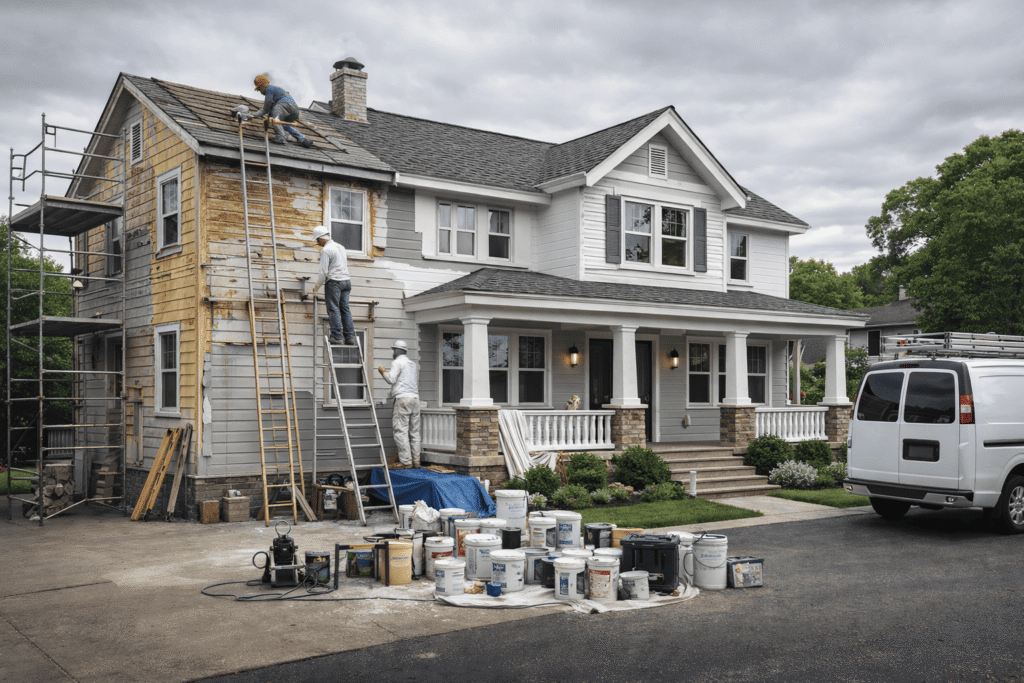
The moment you discover water damage, call a certified restoration company. Do not wait until morning. Do not try to fix it yourself first.
Most professional restoration companies in Topeka are available 24 hours a day, 7 days a week.
That is because mold can start growing within 48 to 72 hours of water exposure.
Every hour without action means more water soaking into your walls, floors, and structural beams.
When you call, the technician will ask a few quick questions:
This helps them prepare the right equipment before they arrive and prioritize safety on entry.
When technicians arrive at your Topeka property, their first job is to fully assess the extent of the damage before touching anything.
They use professional tools to find moisture you cannot see with the naked eye:
Not all water damage is the same. Restoration professionals classify water into three categories because it directly affects how the cleanup must be handled.
This classification decides which cleaning products are used, what safety precautions are required, and whether certain materials like drywall or carpet must be completely removed.
Before any water removal begins, the team must stop the source of water. This is called water mitigation, and it is critical.
If you try to extract water before stopping the source, the problem will keep getting worse.
This step typically involves:
Only once the source is controlled can the real cleanup begin.
This is where the heavy equipment comes in. Industrial-grade machines are used to pull all standing water out of the affected areas as quickly as possible.
Tools used in this step include:
For Topeka homes with hardwood floors, technicians use specialized drying mats and floor extraction equipment to draw moisture from the wood without warping or buckling it.
Fast extraction prevents water from traveling deeper into subflooring, structural joists, and load-bearing walls.
Removing visible water is not enough. Moisture still lives inside walls, under floors, and in the air itself. If that moisture is not removed, mold will grow and structural damage will continue even after the water is gone.
Restoration teams in Topeka use a combination of equipment to dry the structure completely:
Technicians check moisture readings daily and adjust equipment placement as needed. The drying process typically takes 3 to 5 days, depending on the severity of the damage.
Once the structure is fully dry, the cleaning phase begins. This step is especially important when gray water or black water was involved.
Technicians will:
For Topeka homeowners dealing with sewer backups or floodwater from the Kansas River, sanitation is non-negotiable. Black water contains dangerous bacteria and pathogens that can cause serious illness.
If water damage went undetected or untreated for more than 48 to 72 hours, mold may already be present inside your home.
Topeka basements are particularly vulnerable. The combination of moisture, warmth, and organic materials like wood and drywall creates perfect conditions for mold and mildew to grow and spread.
If mold is discovered during the restoration process, the team will:
Power Dry in Topeka specifically includes mold remediation as part of their complete water damage restoration service.
The final step is the one that makes your home look and feel normal again. This is where true restoration happens.
Depending on how severe the damage was, repairs in this stage may include:
IICRC-certified companies like Roto-Rooter in Topeka document every stage of this process with before and after photos, drying logs, and detailed written reports. This documentation is essential for your insurance claim.
Most standard homeowners insurance policies in Topeka cover sudden and accidental water damage, such as a burst pipe or an appliance leak.
However, gradual leaks and external flooding from rivers or storms are often excluded from standard policies and may require separate flood insurance.
Here is how to handle your claim step by step:
Thorough documentation and fast reporting are the two most important things you can do to protect your claim and get the maximum payout.
Here is what to look for before you hire anyone:
Delaying professional restoration is one of the most expensive mistakes a Topeka homeowner can make. Here is a timeline of what water does to a home over time:
Every hour without action compounds the damage and the cost. Speed is your greatest advantage.
The drying phase alone typically takes 3 to 5 days. Full restoration, including repairs, can take anywhere from a few days to several weeks, depending on the extent of the damage.
Most standard policies cover sudden, accidental water damage like burst pipes. External flooding and gradual leaks are typically not covered. Always check your specific policy.
Consumer fans and dehumidifiers are not powerful enough to remove the deep moisture that causes mold and structural damage. Professional industrial equipment is required for a proper, complete dry-out.
Mold can begin growing within 48 to 72 hours of water exposure in warm, humid conditions. This is why calling a restoration company immediately is so important.
Yes, always. Moisture can enter air ducts and vents during a water damage event. Running your system before it is inspected can spread contaminants through every room. Contact HVA Topeka for a professional HVAC inspection after any significant water damage event.
Water damage in Topeka, KS is a serious, time-sensitive problem. But with the right professional restoration team, your home can be fully brought back to normal. Act fast, hire certified professionals, document everything, and do not let the clock work against you.
Monday – Friday: 9:00 AM – 5:00 PM
Saturday – Sunday: Closed
Emergency Service Available 24/7